
How VR is Transforming Industrial Training
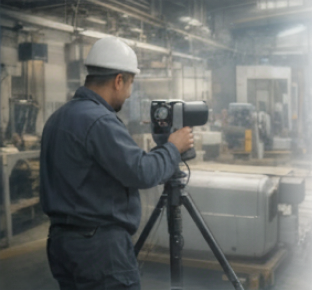
Virtual reality is no longer a futuristic concept — it's actively reshaping how companies train their workforce across industries. From factory floors to complex machinery operations, VR simulation is reducing risk and dramatically accelerating skill development.
The Problem with Traditional Training
Traditional industrial training carries significant challenges. Employees must learn on live equipment, exposing both themselves and expensive machinery to unnecessary risk. Mistakes in real environments can lead to costly downtime, injuries, or permanent damage to equipment. Standardizing training across different sites and teams is equally difficult.
How VR Changes Everything
With VR-based training systems, employees can rehearse complex maintenance workflows in a fully simulated environment. Every step of the procedure is reconstructed digitally — from identifying components to executing repair sequences — allowing trainees to practice repeatedly without any real-world consequences.
Aedu's Equipment Maintenance VR Training System, built for HP factory operations, is a prime example. Technicians can perform valve seal replacements and other maintenance tasks in VR before ever touching real equipment. The result: faster onboarding, fewer errors, and a safer workplace.
Key Benefits
• Zero operational risk during training
• Unlimited repeatability of complex scenarios
• Consistent, standardized procedures across all teams
• Measurable performance metrics for each trainee
• Significant reduction in training costs over time
As XR technology continues to mature, immersive training will become the new standard for industries where safety and precision are paramount. The question is no longer whether to adopt VR training — it's how quickly organizations can make the transition.